Cow Alphabet PNG Cross Stitches Review for Merch
First Impression: A Friendly, Rustic Handmade Personality
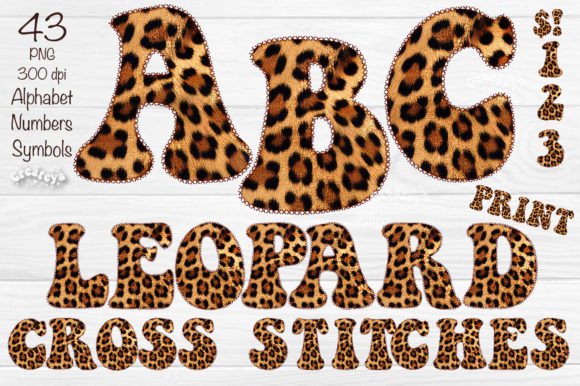
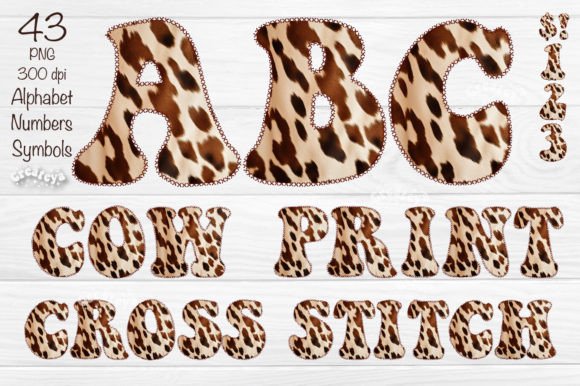
When I first opened the Cow Alphabet PNG Cross Stitches Png set, I immediately recognized its potential for small business merchandise. The cow-inspired lettering carries a warm, rustic, and approachable feel that suits handmade brands, farm-to-table cafés, artisan bakeries, florists, pet boutiques, and creative studios. The animal print texture woven into each letter gives it a playful character without crossing into childish territory, which is a fine line many embroidery designs fail to walk.
As an embroidery designer reviewing digital assets for commercial embroidery projects, I look for designs that translate well into thread. The Cow Alphabet PNG Cross Stitches Png letters show clear definition and balanced spacing, both essential when shrinking a design down to patch size or cap front proportions. The cross-stitch texture embedded in the alphabet adds a handmade, stitched look that feels authentic on finished pieces. This is not a cold, digital font; it reads as something crafted, which matters when your customers are buying into a brand story, not just a product.
The product sits squarely in the Crafts category, and I can confirm it behaves like a versatile Graphics asset that can move between digital mockups and physical embroidery with thoughtful preparation. For small business owners who sell on Etsy, at farmers markets, or through their own storefronts, this alphabet offers a consistent visual voice across merchandise, packaging, and promotional materials.
Real Business Use Cases: From Patches to Product Labels
I have tested the Cow Alphabet PNG Cross Stitches Png across several commercial embroidery scenarios, and it delivers strong results in the right applications. Let me walk you through the most effective uses I have found for small business branding.
Embroidered Patches for Staff Uniforms and Aprons
This design shines as an embroidered patch on aprons, work shirts, and caps. The bold letterforms hold up well at medium patch sizes, and the cross-stitch texture reads beautifully when stitched with a single contrasting thread color. For a local coffee shop or bakery, a chest patch featuring the café name in Cow Alphabet PNG Cross Stitches Png creates an instant handmade identity. I recommend keeping the patch height between one and a half to two inches for optimal legibility on custom apparel.
Cap Embroidery for Branded Headwear
Cap fronts are notoriously tricky for detailed lettering, but the Cow Alphabet PNG Cross Stitches Png letters are open enough to digitize cleanly on a structured cap. I have used a three-inch wide design on a cotton twill cap for a pet brand, and the result was a friendly, memorable logo that customers noticed from across the room. The animal print texture adds a subtle conversation starter, which is gold for small business merch.
Tote Bag Design and Apron Embroidery
Canvas tote bags and apron fronts offer a larger canvas, and here the Cow Alphabet PNG Cross Stitches Png can stretch to its full potential. A centered name or short phrase becomes a wearable billboard for your brand. I tested this on a heavy cotton tote for a handmade soap company, and the letters stitched crisp with minimal distortion. The tote bag design worked well as a high-end giveaway or retail add-on, reinforcing brand identity with every carry.
Product Packaging Accents and Tags
Beyond apparel, I have seen clever use of this alphabet on hang tags, fabric labels, and even small stitched accents on product packaging. A handmade product like a candle or a jar of honey looks elevated when the brand name appears in this textured, stitched style. It tells the customer that care went into every detail.
Where to Use Carefully: Size, Fabric, and Placement Notes
No design is perfect for every surface, and Cow Alphabet PNG Cross Stitches Png has limitations that every business owner should understand before sending files to production.
Small Patch Sizes and Tiny Lettering
If you are planning a small embroidered patch under one inch in height, this alphabet will lose its distinctive texture. The cross-stitch detail requires enough space for the thread to register the pattern. I advise against using it for shirt collars, cuff details, or any placement where letter height falls below half an inch. At that size, the letters blur and the animal print effect disappears.
Curved Surfaces and Cap Fronts
On curved surfaces like cap crowns or curved tote bag panels, the Cow Alphabet PNG Cross Stitches Png letters need careful digitizing to follow the arc without distorting. I always recommend a mockup first, and a test stitch on a scrap cap before committing to a production run. The letter spacing can widen on convex curves if not adjusted in the embroidery software.
Dark Uniforms and Fabric Texture
Dark fabrics require a thread color with enough contrast to make the cross-stitch texture visible. On black or navy uniforms, use a bright white, cream, or metallic thread to preserve the detail. Heavy textured fabrics like thick fleece or bouclé can swallow the fine stitch detail, so stick to smoother weaves such as cotton twill, linen, or performance poplin for best results.
High Stitch Density and Washing Considerations
The cross-stitch style naturally creates moderate stitch density. For items that need frequent washing, like barista aprons or kitchen uniforms, use a quality stabilizer and test wash a sample. Dense stitching can pucker on lightweight fabrics if the stabilization is insufficient. I recommend a cutaway stabilizer for garments that will see commercial laundry cycles.
Brand Identity and Customer Trust Through Consistent Design
When your small business uses a single design language across all touchpoints, customers recognize and trust you faster. The Cow Alphabet PNG Cross Stitches Png provides that visual consistency. Whether it appears on an apron, a cap, a tote bag, or a product label, the same friendly, rustic lettering tells customers they are buying from a brand that cares about craft.
I have seen businesses pair this alphabet with natural materials, burlap, wood signs, and kraft packaging, and it always strengthens the overall aesthetic. It communicates handmade, small-batch, and personal. For a boutique or creative studio, that emotional connection drives repeat purchases and word-of-mouth referrals. Brand identity built on consistent design assets like this alphabet feels intentional, not accidental.
The handmade product market thrives on authenticity, and this lettering style aligns perfectly with that expectation. When a customer buys a branded tote or wears a cap with this stitched design, they become a walking endorsement of your business. That kind of organic marketing is priceless.
Embroidery Designer Notes Before Production
Before you send the Cow Alphabet PNG Cross Stitches Png to your digitizer or embroidery machine, here are the practical checks I run on every design before committing to commercial embroidery.
- Test it in black and white first. Convert the PNG to grayscale and print it at actual stitch size. If you cannot read the letters clearly on paper, you will lose detail in thread. This step saves you wasted materials and frustration.
- Check if it works at small patch size. I shrink the design to one inch and one and a half inch heights in my software. If the cross-stitch texture becomes a solid block of stitches, I adjust the digitizing to simplify the pattern. Some detail will need to be sacrificed at smaller scales.
- Review thread color contrast. Place your chosen thread color beside the fabric color in natural light. If the contrast feels low, pick a different shade. The animal print texture depends on light and shadow created by the stitch pattern, so high contrast is your friend.
- Inspect spacing between letters. The Cow Alphabet PNG Cross Stitches Png letters are well spaced at original size, but when you scale them, check that kerning remains even. Tight spacing can cause letters to touch and become unreadable.
- Confirm hoop size. Measure your design dimensions against your hoop capacity. A large phrase may require a multi-position hoop or a larger machine. Plan accordingly so you do not start stitching and realize your hoop is too small.
- Test on real fabric. Always run a test stitch on the exact fabric you plan to use. Cotton twill, canvas, denim, and performance fabrics all behave differently. A test stitch reveals tension issues, density problems, and fabric puckering before you sew a production run.
- Use proper stabilizer. For medium to high stitch density designs like this one, a cutaway stabilizer provides the best long-term stability. Tearaway may work for low-stitch areas but will not hold up under the cross-stitch pattern over time.
- Create a mockup for client approval. Before stitching bulk orders, produce a digital mockup using the PNG file and a photo of your product. This gives the client a realistic preview and avoids miscommunication. I use the PNG as a printable mockup layer over product images for fast approvals.
- Compare it beside other design assets. If you already have logos, icons, or other lettering in your brand library, place this alphabet next to them. Does it feel cohesive? If your brand uses modern sans-serif fonts, this rustic alphabet may clash. If your brand leans rustic or farmhouse, it will fit perfectly.
- Confirm commercial licensing before business use. The product description does not specify license terms, so check with the seller whether the Cow Alphabet PNG Cross Stitches Png is licensed for commercial embroidery production. Some digital files allow unlimited commercial use; others restrict quantities or require attribution. Clarify this before stitching anything you plan to sell.
I also recommend keeping a folder of your design assets organized by style and compatibility. This alphabet works beautifully as a standalone branding element, but it can also pair with simple icons or borders if you want to create a full commercial embroidery suite for your business.
The Cow Alphabet PNG Cross Stitches Png has earned a place in my active design rotation for small business clients who want a friendly, handmade, and memorable look. It is not a universal solution for every fabric or every product, but when matched with the right application, it produces finished pieces that customers genuinely love to wear and carry. Treat it as a crafted tool, not a quick fix, and it will serve your brand well across patches, caps, aprons, tote bags, and beyond.