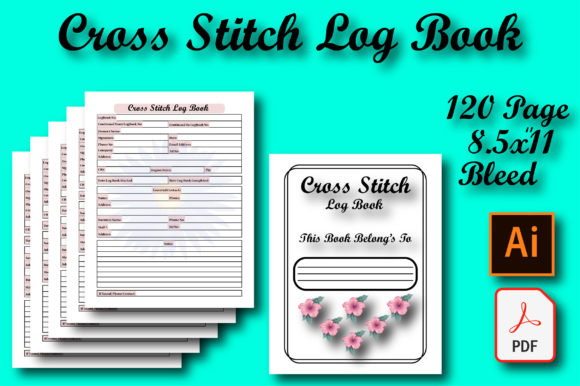
Cross Stitch Log Book: Honest Review for Embroidery Pros
As a professional embroidery designer who spends long hours behind a multi-needle machine, I know that organization is the backbone of a profitable business. Between tracking custom apparel orders, logging thread colors for personalized gifts, and managing hoop sizes for various tote bag designs, the administrative side can easily overwhelm the creative flow. I recently downloaded the Cross Stitch Log Book from Creative Fabrica to see if it could streamline my commercial embroidery workflow. Categorized under Kdp Interiors and Graphics, this product is marketed as a low-content book interior, but I wanted to test its practical application for real hands-on embroidery project management.
First Impressions of the Cross Stitch Log Book
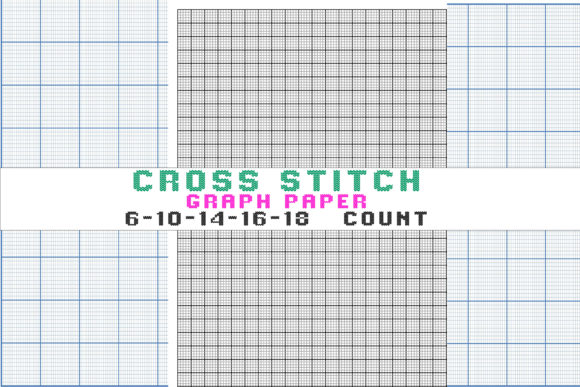
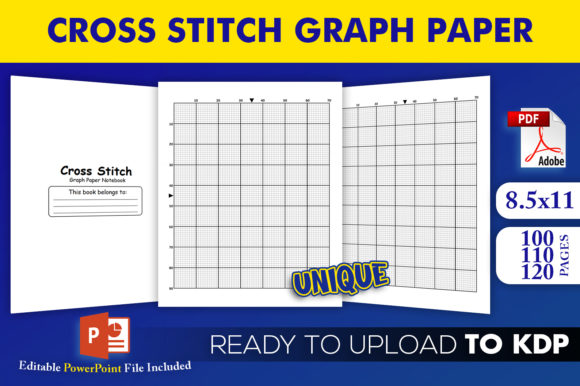
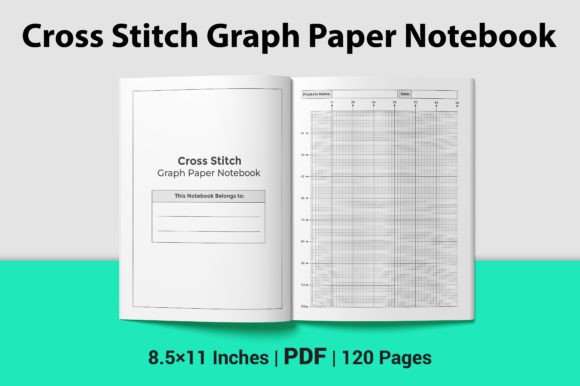
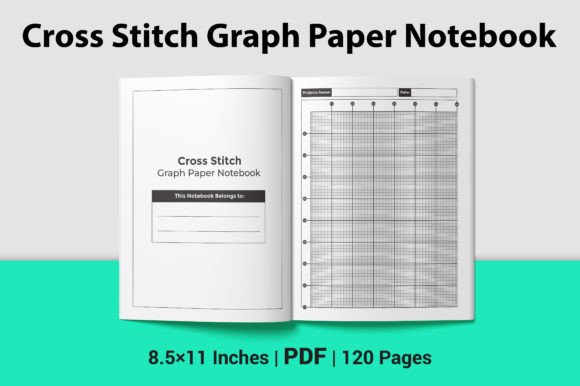
The Cross Stitch Log Book features a charming, vintage-inspired aesthetic that immediately appealed to my creative sensibility. The layout is clean, functional, and provides dedicated space for all the critical details I need to record for my machine embroidery designs. I was impressed by the inclusion of fields for fabric types, needle sizes, and thread color charts. The visual mood is nostalgic and crafty, making it a natural fit for a creative entrepreneur who sells handmade products. Whether I am planning a delicate applique design for a baby blanket or a dense fill stitch for a sweatshirt embroidery project, this log book feels like a professional companion rather than a generic notebook.
Real Project Utility for Embroidery Designers
I put the Cross Stitch Log Book directly to the test on a busy production week. I had a batch order of embroidered sweatshirts, a set of custom tote bag designs, and several personalized gift caps to complete. Here is how the log book performed across different aspects of my commercial embroidery work:
- Custom Apparel Orders: I used the log book to track the specific satin stitch and fill stitch parameters for each sweatshirt. The note section allowed me to record the exact stitch density required to prevent distortion on the textured fabric.
- Client Management: For a repeat client ordering embroidered patches and kitchen towels, I quickly referenced my previous log entry. This saved me hours of re-digitizing and ensured perfect thread color matching.
- Hoop Size & Stabilizer Tracking: I logged the correct hoop size and stabilizer type for each project, including curved cap surfaces and stretchy fabric for aprons. This eliminated guesswork and reduced material waste.
- Design Asset Organization: I paired the log book with my digital embroidery file inventory on Creative Fabrica. Whenever I used a specific embroidery file, I noted its source and any modifications I made during digitizing.
The ability to cross-reference my machine embroidery design notes with client details has been invaluable. The Cross Stitch Log Book serves as a physical archive of my production history, which is something a digital spreadsheet cannot always replicate during a busy craft fair or while working on a machine without a computer nearby.
Practical Notes for Machine Embroidery Success
A tool is only as good as the habits it supports. Here are the practical ways the Cross Stitch Log Book has improved my embroidery workflow and final finished product quality:
- Test on Scrap Fabric First: I log the results of every test stitch-out. This includes noting thread color contrast on dark fabric and checking for tension issues in dense stitch areas.
- Confirm Hoop Size & Stabilizer: The log book has a dedicated section for this. I write down the exact hoop size and whether I used tear-away, cut-away, or water-soluble stabilizer.
- Inspect Small Details: Tiny lettering and intricate running stitch sequences require careful observation. I use the notes column to record any edits needed for layered details.
- Wash Testing: After washing a sample tote bag design, I document how the stitches held up. This is crucial for products that will face frequent washing, like baby blankets and kitchen towels.
- Check File Licensing: Before selling any finished product, I always check the licensing on the original Creative Fabrica embroidery product page. The log book helps me track which licenses apply to which design assets.
When digitizing a complex applique design for a pillow cover, I logged the exact placement and underlay settings. This allowed me to replicate the success on a second batch without guessing. The Cross Stitch Log Book encourages this level of detail, which is essential for scaling a commercial embroidery operation.
Enhancing Product Value and Buyer Trust
Using the Cross Stitch Log Book to organize my design assets and client orders has directly improved the consistency of my handmade products. When I can quickly reference the exact thread colors and stitch density used for a previous order, my brand identity remains strong. This professionalism builds buyer trust, especially for Etsy sellers and boutique merchandise vendors. I also used it to plan photography props for my printable mockup listings, ensuring the embroidered patch or tote bag design looked cohesive across my entire shop. For craft fair products, having a dedicated log book allows me to price my labor accurately, factoring in the applique design steps and stabilizer costs.
Who Is the Cross Stitch Log Book For?
This Cross Stitch Log Book is a valuable asset for a wide range of creative entrepreneurs:
- Etsy sellers managing multiple custom apparel orders.
- Small business owners creating personalized gifts for clients.
- Apparel decorators tracking commercial embroidery jobs from start to finish.
- Creative entrepreneurs who want to bridge their digital embroidery file inventory with physical production.
- Handmade shop owners who need a reliable system for brand consistency and product development.
Final Thoughts on the Cross Stitch Log Book
Incorporating the Cross Stitch Log Book into my daily workflow has been a practical decision for managing the intersection of digital planning and physical stitching. While it is categorized under Kdp Interiors and Graphics, its real-world application for an embroidery designer is undeniable. It bridges the gap between the digital embroidery file on your computer and the finished product in your hands. If you are serious about scaling your handmade product business, reducing production errors, and impressing clients with your professionalism, this log book is a solid investment. Just remember to always verify the license details on the Creative Fabrica embroidery product page before using any assets for commercial embroidery sales.